In Bangladesh Security Alarm price starts from BDT 1,200 and may go up to BDT 22,000 based on brand and features. Buy latest Security Alarm at best price from popular online shops in Bangladesh.

The Verbex Emergency Stop Push Button Switch is a robust safety control device designed

The Verbex VT-APS103 Portable Wireless Indoor Sound and Light Siren offers powerful
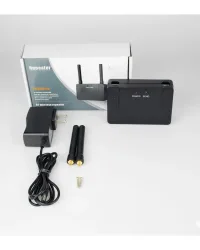
The Verbex ZZQ8A Signal Booster and Repeater is a high-performance RF signal amplifier
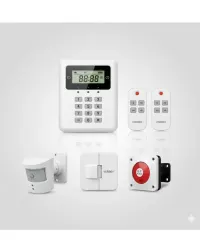
The Verbex W214 4G Tuya Smart Alarm System is a next-generation wireless burglar

The Verbex Wired Piezoelectric Buzzer Alarm delivers a powerful 110dB sound output,
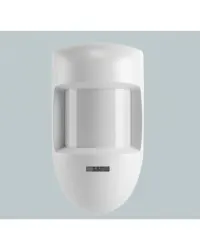
The Verbex VT-EL55 Passive Infrared Motion Detector is a high-performance wired security
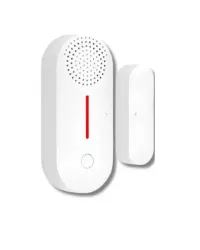
The Verbex VT-AW301 is a smart Wi-Fi-enabled door and window alarm sensor that enhances
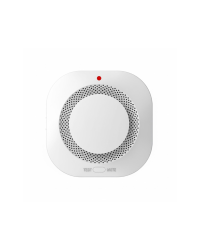
The Verbex VT-SD433 Wireless Smoke Fire Detector is a highly sensitive and efficient
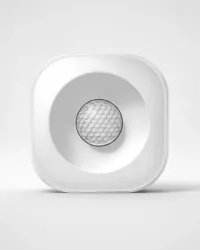
The Verbex VT-PIR03W is a wireless infrared motion sensor designed for home and office
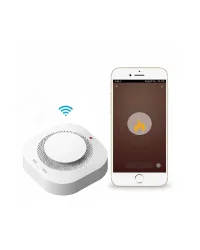
The Smart Smoke Detector - Verbex VT-SD43W is a WiFi-enabled fire alarm that keeps
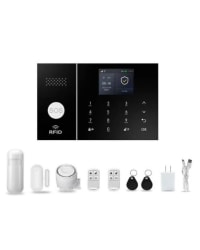
Secure your home effortlessly with the Verbex VT-PG109 Wireless Home Burglar Alarm
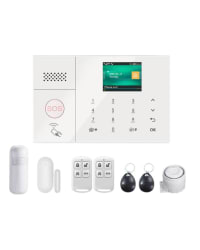
The Verbex VT-PG108 Wireless Home Security Alarm System is a comprehensive solution
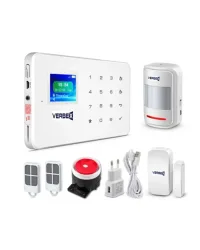
Secure your home or office with the Verbex VT-W181 Burglar Security Alarm System,

Keep your home, office, or shop safe with the Verbex VT-DC403 Wireless Door &
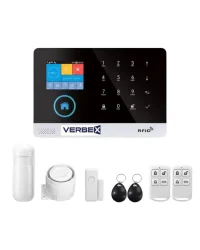
The Verbex VT-PG103 Wireless Burglar Security Alarm System is a smart home protection
Security alarm systems have become one of the most reliable safety solutions of the modern era. Whether someone wants to protect a small home, a commercial shop, a high-security office, or a warehouse covering thousands of square feet, alarms deliver something very simple yet extremely powerful: instant awareness. A security alarm reacts the moment something unusual happens, and that reaction is often enough to stop bigger problems long before they begin.
Most people assume alarms are loud sirens, but modern systems do far more. They warn through mobile notifications, integrate with smart devices, connect to monitoring stations, and even trigger automated responses such as turning on lights or locking doors. Because of this, security alarms have become an essential part of property protection worldwide.
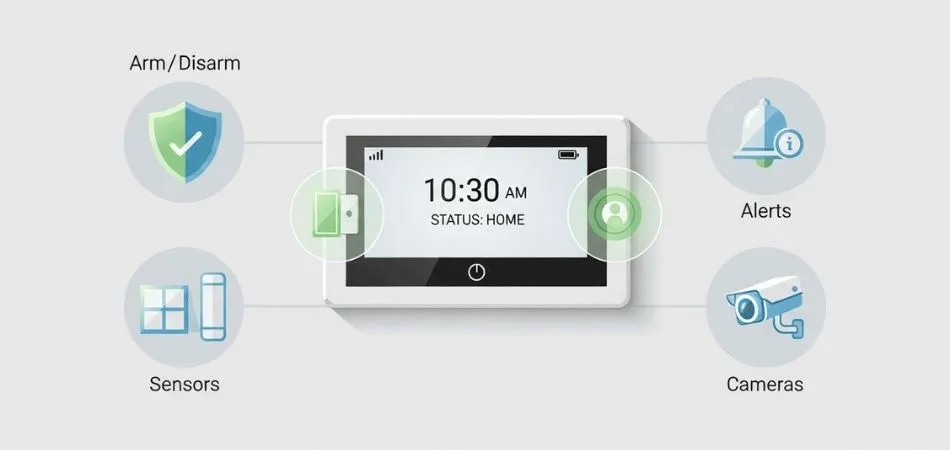
A security alarm system is designed to detect unusual activity movement, forced entry, glass breaking, smoke, heat, or even unexpected vibrations and then respond immediately. This response can be a loud siren to scare off intruders or a silent mobile alert that only the owner receives. Many businesses prefer alarms that signal third-party monitoring centers, ensuring someone responds even when the owner is away.
Security alarms consist of several parts that work together in a chain of communication. Sensors monitor the environment, the control panel receives information from those sensors, and the alert system notifies the user. Everything happens silently until the moment something is triggered.
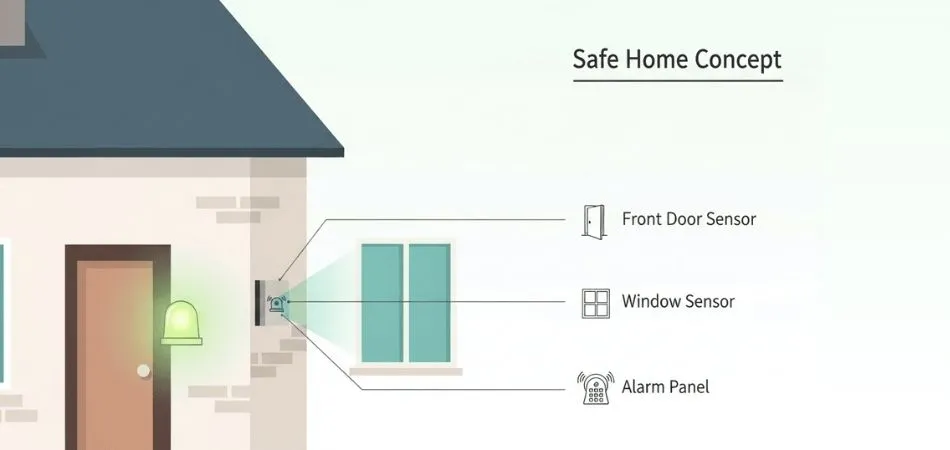
People often underestimate just how quickly incidents can escalate. A break-in may only take seconds, and by the time a homeowner or shop owner realizes something is wrong, it may already be too late. Security alarms step in during those critical early seconds. They don’t wait for someone to discover the problem, they detect it themselves.
Homes stay protected even when the owner is traveling. Shops deter thieves more effectively when alarms are visible. Offices maintain control over who enters restricted rooms. Warehouses, which often have blind spots that cameras can’t fully cover, benefit from motion-based detection.
This is why security alarms are now considered a fundamental part of any modern property. In many countries, insurance companies even reduce premiums when alarms are installed because the risk drops significantly.
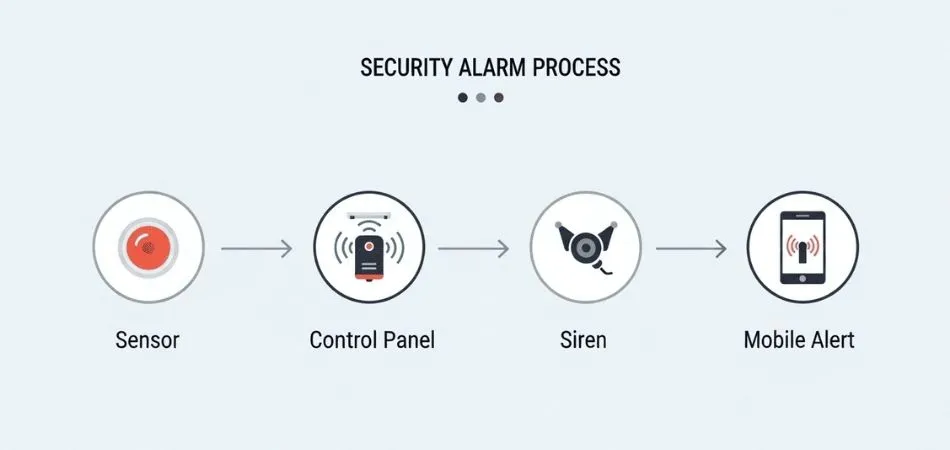
The operation of a security alarm system is a clever mix of simple hardware and intelligent communication. A motion sensor detects movement using infrared heat. A door sensor notices when a magnetic strip separates. A glass-break sensor listens for the frequency of breaking glass.
When any of these are activated, a signal goes straight to the alarm’s main control unit. This control unit decides what to do next - trigger a loud siren, send a mobile alert, activate an emergency call, or report the event to a monitoring station.
The speed is what makes it reliable. Everything from detection to alerting happens in less than a second.
Security alarms come in various forms, each designed for a specific purpose and environment. Whether it’s for a home, office, factory, or public space - selecting the right type of alarm can dramatically improve safety and response time. Below are the major categories of security alarm systems and what makes each one important:
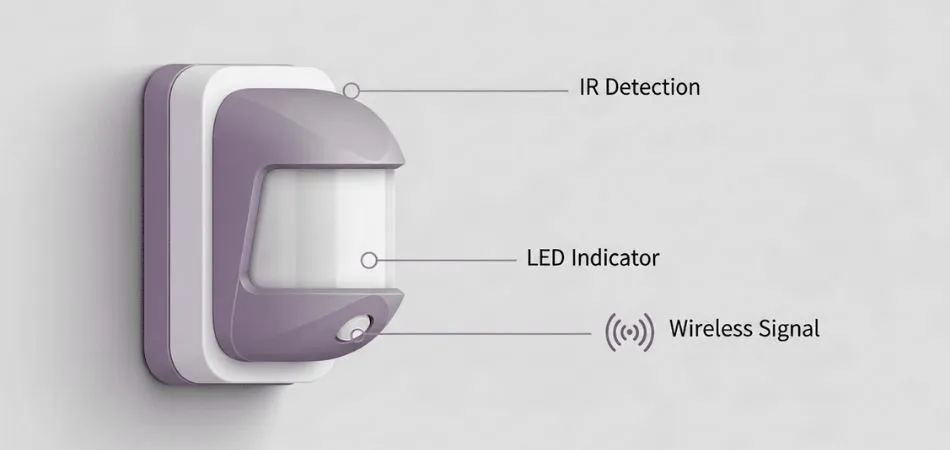
These are the most common and widely used security systems, built to detect unauthorized entry and protect property from theft or intrusion. They rely on sensors such as:
Perfect for homes, shops, small offices, and residential buildings, burglar alarms help deter intruders and notify owners or security personnel immediately.
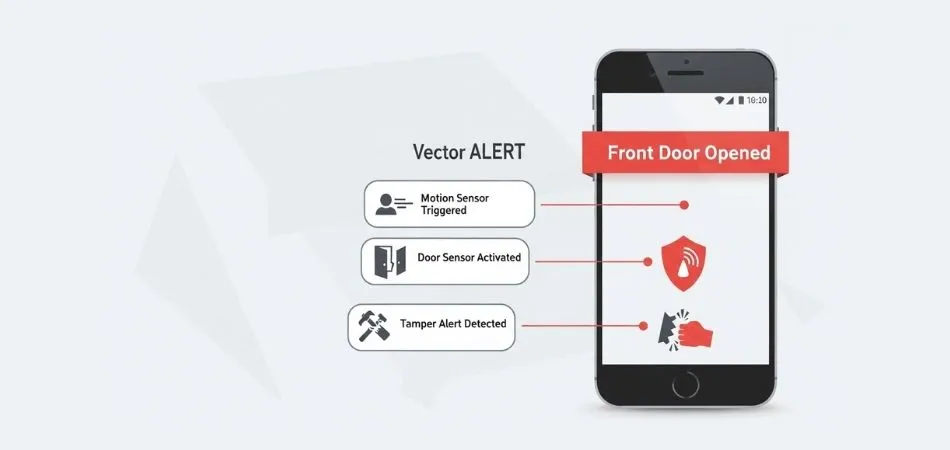
These modern alarm systems take security to the next level by combining wireless sensors with smart technology. They don’t need complicated wiring and can be controlled remotely. Key features include:
Ideal for people who travel often, smart homes, and tech-friendly environments—these systems make security more flexible and user-friendly.
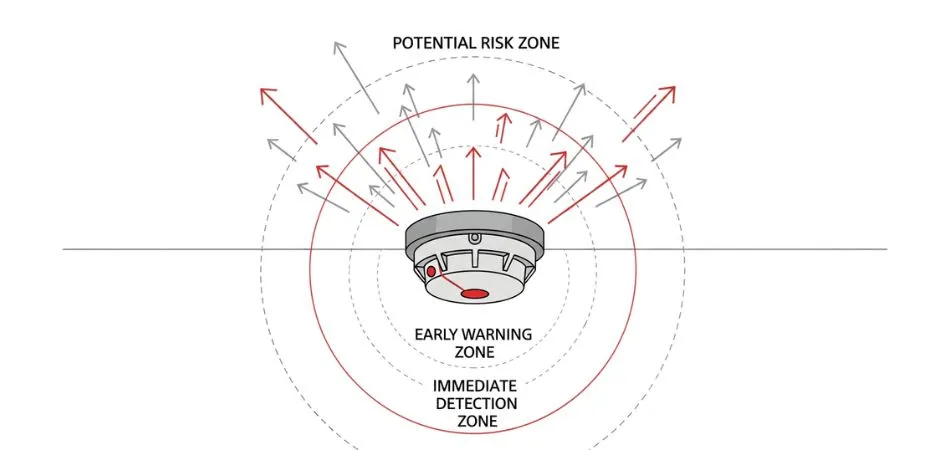
Security isn’t only about intruders - it's also about safety from deadly hazards. Fire and smoke alarms are designed to detect threats early and save lives by responding faster than human senses. They come in forms like:
These alarms help protect homes, offices, hotels, schools, and commercial buildings, ensuring evacuation and emergency response happen quickly.
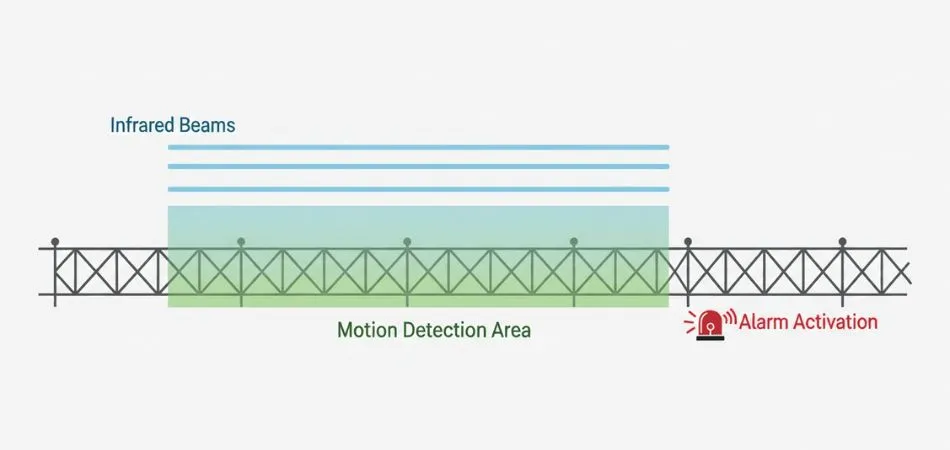
Designed for large open spaces and outdoor areas, perimeter alarms secure the outer boundaries before a threat reaches the building. Security elements include:
Factories, warehouses, farms, restricted facilities, and industrial zones often depend on perimeter alarms to detect movement long before intruders get close.
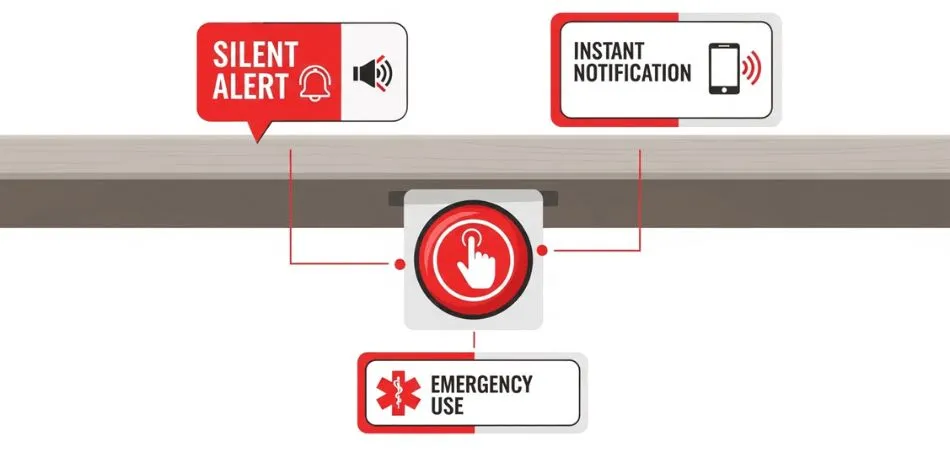
These systems are meant for immediate help in urgent situations. A single press of a button can trigger instant notifications to security teams, family members, or emergency authorities. Used in:
Panic alarms can be hidden under desks, worn as a wearable, or placed beside beds, allowing silent and quick calls for help.
Not all alarms offer the same level of protection. A dependable system usually maintains solid sensor accuracy, strong wireless range, easy app control, and durable build quality. Battery backup is extremely important because a security system should never go offline during a power failure.
People today prefer alarms that can grow with their needs. A modular system allows adding more sensors later. Good systems also include tamper protection—a feature that triggers alerts if someone tries to remove or damage the device.
While loud sirens still matter, smart alerts have become just as important. Being notified on your phone the moment something happens gives owners complete control over their property, even from miles away.
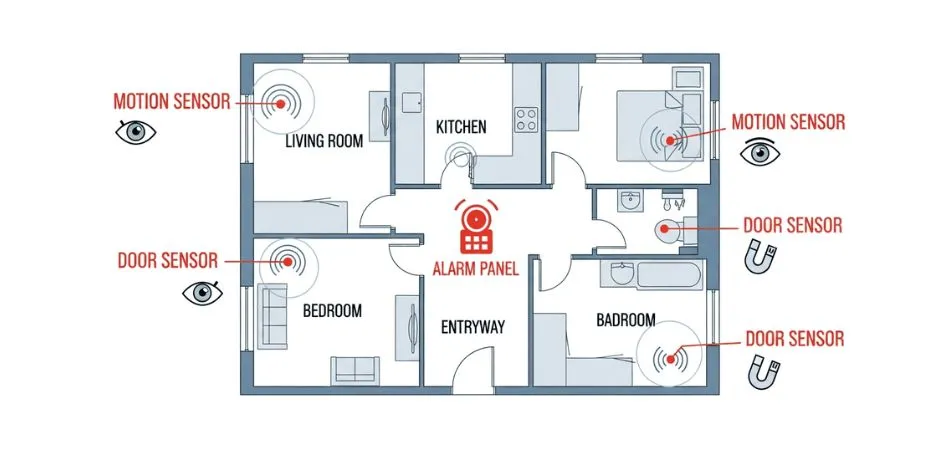
Good placement determines how effective an alarm system becomes. For homes, the front entrance, back door, and living room are the highest priority areas because those are the most common entry points. Bedrooms and stairways also benefit from secondary sensors.
In offices, entrances, server rooms, storage zones, and cash or document rooms need the most attention. Shops generally place alarms near display areas and doors. Large facilities such as warehouses often combine indoor alarms with perimeter sensors to secure outside boundaries.
A properly positioned system ensures complete coverage without leaving blind spots.
|
Alarm Type |
Ideal Use |
Cost |
Ease of Setup |
|
Wireless Smart Alarms |
Modern homes & offices |
Medium |
Very Easy |
|
Traditional Burglar Alarms |
Homes & small shops |
Low to Medium |
Easy |
|
Fire & Smoke Alarms |
All types of properties |
Low |
Easy |
|
Perimeter Alarms |
Industrial outdoor areas |
High |
Moderate |
|
Panic Alarms |
Banks, hospitals, elderly care |
Low |
Very Easy |
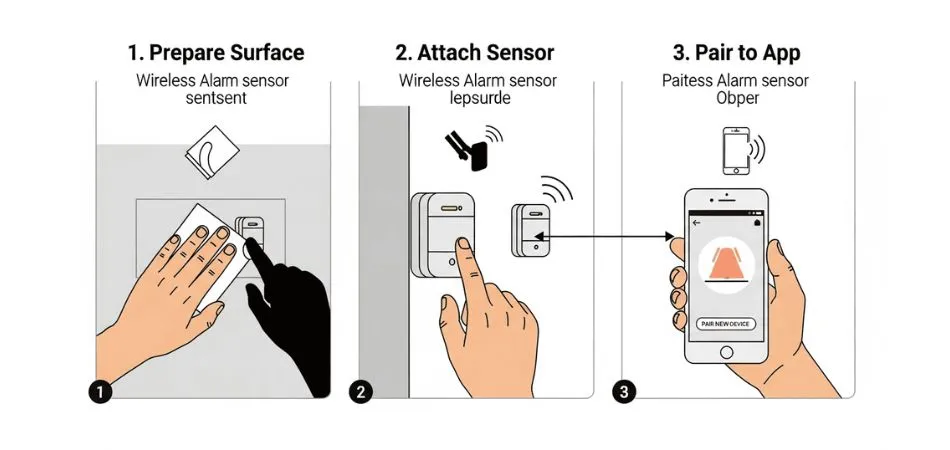
Imagine being away from home on vacation and getting an instant alert that your back door opened unexpectedly. Within seconds, you can check the camera feed (if connected), contact neighbors, or notify authorities.
Or consider a shop owner closing the store at night. A wireless alarm ensures that any forced entry triggers a loud noise and alerts the owner, reducing theft risk dramatically.
For elderly individuals living alone, a panic alarm can be a literal lifesaver, instantly calling family or emergency services during accidents.
Warehouses benefit from alarms that monitor large dark areas where cameras don't always notice movement. In corporate environments, alarms protect sensitive information by restricting access to server rooms or confidential storage.
These real-life uses highlight why people trust alarm systems year after year.
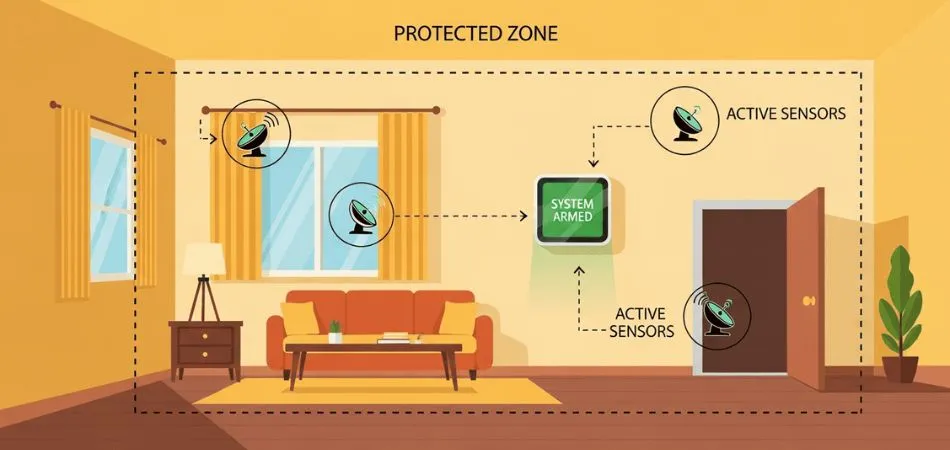
Security alarms are no longer luxury gadgets - they are essential tools for responsible property protection. Whether you want to protect your family, your business, or a large industrial environment, a well-chosen alarm system offers one thing everyone values: peace of mind.
Today’s alarms don’t just make noise. They think, communicate, connect, and help you stay in control no matter where you are. With the right installation and planning, a security alarm serves as a silent guardian, watching your property every second of the day.
If you’re planning to install one, take time to understand your property’s layout, identify potential risks, and match them with the right system. A small investment today can prevent massive losses tomorrow and that alone makes security alarms worth every penny.