In Bangladesh UPS price starts from BDT 7,200 and may go up to BDT 7,200 based on brand and features. Buy latest UPS at best price from popular online shops in Bangladesh.
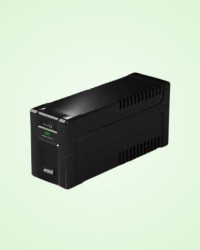
Power Guard PG1200VA-CS হলো ১২০০VA / ৭২০W ক্ষমতার
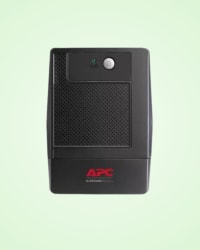
Power outages are a common and frustrating problem in Bangladesh. Sudden electricity cuts can interrupt important work within seconds. Whether you are working on a computer, attending an online class, running an office, or managing a business, unexpected power failure can cause data loss, hardware damage, and serious inconvenience. This is where a UPS (Uninterruptible Power Supply) becomes extremely important.
A UPS does more than just provide backup power during load shedding. It also protects your valuable electronic devices from voltage fluctuations, electrical surges, and other power-related issues. Whether at home or in the office, a reliable UPS has become essential in today’s digital lifestyle.
A UPS (Uninterruptible Power Supply) is a backup power device that ensures continuous electricity supply during power outages or load shedding. It not only provides emergency power but also protects sensitive electronic devices-such as computers, servers, network equipment, medical devices, and other electronics-from voltage fluctuations, surges, and other electrical disturbances.
The UPS operates through three main components: the battery, the inverter, and the charger. When the main power supply is active, the UPS charges its battery while simultaneously supplying electricity to connected devices. This ensures that the battery is always fully charged and ready for use.
During a power cut, the UPS immediately switches to battery power, usually within 0–5 milliseconds, keeping your devices running without interruption. Backup time can range from a few minutes to several hours, depending on the UPS model and battery capacity.
Modern UPS units also feature voltage stabilization technology to control low or high voltage fluctuations and prevent device damage. Many models include surge protection and Automatic Voltage Regulation (AVR) to safeguard devices from electrical storms or sudden voltage spikes.
When selecting a UPS (Uninterruptible Power Supply) for your computer, office equipment, or networking devices, it is important to understand the different types available. Each type is designed for specific usage scenarios, power protection levels, and budget ranges.
Offline UPS, also known as Standby UPS, is the most basic and widely used type of backup power system. It provides battery power only when a power outage occurs by automatically switching from main electricity to battery mode. This type of UPS is very popular for home users because it is affordable and easy to use. It is mainly suitable for desktop computers, small workstations, and basic electronic devices.
However, offline UPS offers limited protection against voltage fluctuations and sudden power surges. If your area experiences frequent electrical instability, you may need a more advanced UPS type.
Line-interactive UPS provides better protection compared to offline UPS because it includes Automatic Voltage Regulation (AVR) technology. This feature helps correct minor voltage fluctuations without immediately switching to battery power. As a result, it offers more stable performance and longer battery life.
Line-interactive UPS is highly suitable for areas where electricity supply is unstable, which is common in many parts of Bangladesh. This type is widely used for personal computers, small office setups, and home workstations. Although the price is slightly higher than basic UPS models, the additional protection makes it a better long-term investment.
Online UPS is the most advanced and reliable type of UPS system. It uses double conversion technology, where incoming alternating current (AC) is converted into direct current (DC) and then converted back into stable AC power. This process ensures a clean, continuous, and highly stable power supply.
Online UPS systems are ideal for critical environments such as servers, data centers, medical equipment, and high-performance workstations. Although online UPS models are generally more expensive, they provide maximum protection against voltage instability, surge damage, and sudden power failures.
Mini UPS devices are specially designed for small networking equipment such as routers, ONUs, and modems. These devices help maintain internet connectivity during short power outages. Mini UPS is not usually intended for desktop computers or heavy electronic loads, but it is very useful for home internet users and small office setups. Mini UPS products are generally lightweight, compact, and affordable, making them a practical solution for connectivity backup.
In a world where power stability is never a guarantee, choosing the right UPS is about more than just buying a battery; it’s about matching your specific lifestyle or business needs with the right level of protection. Here is how different users in Bangladesh find their perfect power match.
For the average home user or a freelancer working from a home office, the primary goal is protecting a desktop PC and ensuring that the internet doesn’t drop during an important meeting. An Offline or Stand-By UPS is usually the most practical choice here because it offers a reliable safety net without a massive price tag. A popular model in the Bangladesh market is the DigitalX 850VA Offline UPS, which provides a great balance of affordability and performance. It gives you just enough time to save your progress and shut down your computer safely during a sudden power cut, all while keeping your Wi-Fi router humming.
Gamers have a different set of challenges because high-end gaming rigs and consoles pull a lot of power and are very sensitive to voltage drops. A simple offline unit might not switch fast enough, which is why a Line-Interactive UPS like the APOLLO 1120F 1200VA is a much better fit. These units do more than just provide backup; they actively regulate the voltage to ensure your GPU and power supply aren't stressed by the "dirty power" often found in residential areas. This ensures your gaming session stays alive even when the grid flickers.
Small offices and businesses rely on a handful of workstations and shared servers to keep operations running smoothly. For these environments, the MaxGreen MG-LI-EAP 1500VA is a solid contender because it offers higher capacity and better surge protection than home-grade models. It provides the necessary bridge to keep business-critical hardware running through short outages, preventing the kind of data corruption that can happen when a database server loses power mid-transaction.
In the corporate world or within a data center, even a millisecond of power loss is unacceptable. These environments house mission-critical equipment that requires a perfect, constant stream of electricity. This is where an Online UPS, such as the KSTAR HP Series 1000VA, becomes essential. Because it uses double-conversion technology, it provides zero transfer time, meaning the equipment never actually "sees" a power outage. It is the gold standard for high-stakes environments where hardware failure could result in massive financial loss.
The industrial sector deals with heavy machinery that creates a lot of electrical noise and requires a massive amount of "startup" current. To handle these heavy loads and provide extended backup times, businesses often turn to robust systems like the MaxGreen MG-LI-EAP-2000VA. These units are built to be the workhorses of the factory floor, ensuring that production lines don’t grind to a halt and that expensive diagnostic tools aren't damaged by sudden blackouts.
Schools and research facilities often have unique needs, such as keeping a campus-wide Wi-Fi network active or protecting sensitive lab sensors. For simple networking needs, many have found the WGP Mini UPS to be an incredible solution. It is a compact, DC-based backup that can keep a router or modem running for up to 8 hours. For more complex lab equipment, they typically rely on larger Online units to ensure that a three-day experiment isn't ruined by a five-minute power failure.
Investing in a UPS is a long-term decision that ensures the safety and uninterrupted operation of your electronic devices. Choosing the wrong model can lead to insufficient backup, poor power protection, or higher energy costs. Here are the most important factors to consider:
UPS capacity depends on the total power consumption of your devices, usually measured in VA (Volt-Ampere) or watts. For a single computer, router, or small setup, 600–1000VA is sufficient, while multiple devices or larger systems may require 1200–2000VA or higher. It’s recommended to select a UPS with 20–30% higher capacity than your actual load.
Backup duration depends on battery capacity. Standard UPS units provide 5–30 minutes, enough to save work and safely shut down devices. For longer backup periods (1–2 hours), larger or additional batteries are necessary.
UPS units commonly use Lead-Acid or Lithium-ion batteries. Lead-Acid batteries are cost-effective but require regular maintenance, whereas Lithium-ion batteries are more durable, lightweight, and low-maintenance but come at a higher price. Battery life generally ranges from 2–5 years. Ensure replacement batteries are easily available.
A fast switching time (0–5 milliseconds) is crucial for sensitive electronics. Faster switching ensures devices continue running without rebooting during a power cut.
UPS devices are generally divided into three categories:
Choose the type according to your devices and budget.
Voltage fluctuations are common in Bangladesh. A UPS with AVR (Automatic Voltage Regulation) stabilizes low or high voltage and protects connected devices from damage.
Ensure the UPS has enough AC outlets, USB ports, RJ-45 (LAN protection), and surge protection for all your devices.
UPS units with inverter technology are more energy-efficient and reduce electricity costs over time. Choosing an energy-efficient model helps save money in the long run.
Select a UPS with a size and weight suitable for your space. Compact models are ideal for homes, while larger offices may require higher-capacity units.
Trusted brands like APC, Walton, MaxGreen, Mercury, Power Guard, Prolink, Emerson, Eaton, Vertiv ensure quality and reliable service. Look for at least 1–2 years of warranty, with separate coverage for batteries.
Check for nearby service centers, easy availability of spare parts (batteries, fuses), and quality of after-sales support. Good service reduces long-term issues.
UPS prices vary depending on capacity, features, and brand. Home or small office units typically range from BDT 5,000-15,000, while high-capacity or advanced-feature UPS systems can cost up to BDT 50,000 or more.
When selecting a UPS, consider your power requirements, battery lifespan, voltage regulation, backup time, and device types. Choosing a high-quality UPS from a reputable brand with proper warranty ensures long-term reliability, device safety, and uninterrupted operation.
In Bangladesh, voltage fluctuation and unexpected load shedding are still common issues in many areas. These electrical problems can damage sensitive devices like desktops, routers, and networking equipment. This is where a UPS (Uninterruptible Power Supply) becomes extremely important.
A UPS provides instant backup power when electricity goes out, allowing you to safely shut down your computer instead of facing a sudden blackout. Sudden shutdowns can cause file corruption, hardware damage, or even complete data loss. With a UPS, you get enough backup time to properly save your work and turn off devices safely.
Another major benefit is voltage regulation. Frequent voltage ups and downs can slowly damage electronic components. A UPS stabilizes the power supply and protects your equipment from harmful electrical surges or spikes.
For students attending online classes, freelancers working with clients, business owners running important operations, or office users handling sensitive data, uninterrupted power is essential. Losing work due to a power cut can mean lost time, missed deadlines, or financial loss.
In the context of Bangladesh, a UPS is not just an optional accessory. It is a practical and necessary investment to protect your devices, your data, and your productivity.
Automatic Voltage Regulation (AVR) is one of the most important features in modern UPS systems. In many regions, including Bangladesh, electricity voltage often rises and falls unexpectedly. AVR automatically stabilizes the incoming voltage and ensures that your devices receive a consistent and safe power supply. This helps protect sensitive electronics like computers, networking devices, and workstations from long-term damage caused by unstable electricity.
Electrical surges can occur due to lightning storms, sudden power restoration after load shedding, or instability in the power grid. These sudden spikes in electricity can instantly damage internal components of electronic devices. A UPS with built-in surge protection acts as a protective barrier, absorbing the excess voltage and preventing it from reaching your valuable equipment.
One of the biggest advantages of a UPS is its extremely fast switching capability. When the main power supply fails, a UPS can switch to battery power within milliseconds. This rapid response ensures that your computer, router, or other connected devices continue running without interruption. Because of this quick switching, your system will not reboot or shut down unexpectedly during a power outage.
Modern UPS units are designed to support multiple devices at the same time. Many models come with several power outlets, allowing you to connect a computer, monitor, router, and other essential electronics simultaneously. Some advanced models also include USB charging ports, network protection ports, and smart connectivity options, making them more convenient for both home and office setups.
Energy efficiency is becoming an increasingly important factor in modern electronics. Many new UPS models are designed to consume less electricity while maintaining high performance. Energy-efficient UPS systems not only reduce overall power consumption but also help lower long-term electricity costs. This makes them a smart choice for households and businesses looking for reliable backup power without increasing their energy bills.
UPS prices in Bangladesh can vary depending on several factors such as power capacity, battery quality, brand reputation, and additional features.
Basic UPS:
Entry-level UPS models usually cost between BDT 3,500 – 8,000. These are suitable for basic setups such as a single desktop computer, router, or small office workstation.
Mid-Range UPS:
Mid-range models typically fall between BDT 8,000 – 20,000. They offer higher capacity, longer backup time, and better voltage regulation, making them ideal for home offices or small businesses.
High-Performance UPS:
Advanced UPS systems can range from BDT 20,000 – 50,000 or more. These models are designed for powerful workstations, servers, and professional environments where uninterrupted power is critical.
Proper maintenance is essential to ensure that your UPS performs reliably for many years. Taking care of the device and its battery can significantly extend its lifespan.
First, keep the UPS clean by regularly wiping the exterior to prevent dust buildup. Dust accumulation can affect ventilation and reduce cooling efficiency.
Second, monitor the battery health periodically. UPS batteries degrade over time, and replacing them when necessary ensures consistent backup performance.
Third, place the UPS in a well-ventilated area. Proper airflow prevents overheating and helps maintain stable operation.
It is also important to avoid overloading the UPS by connecting too many devices beyond its capacity. Overloading can reduce backup time and may damage the system.
Additionally, keep the UPS away from moisture or humid environments, as water exposure can damage internal components. Finally, regularly check cable connections to ensure that everything remains securely connected.
UPS technology continues to evolve as power management becomes more advanced and efficient. Future UPS systems are expected to introduce smarter and more reliable solutions for both homes and businesses.
One of the most promising developments is smart UPS monitoring systems, which allow users to track power usage, battery health, and system status through software or mobile apps.
Another major improvement is the adoption of lithium-ion batteries, which offer longer lifespan, faster charging, and better efficiency compared to traditional lead-acid batteries.
We may also see IoT-based power management, where UPS devices communicate with other smart systems to optimize energy usage and provide real-time alerts.
In addition, manufacturers are focusing on faster charging technologies, improved battery efficiency, and more compact designs that deliver powerful performance while occupying less space.
These advancements will make UPS systems even more reliable, energy-efficient, and convenient for modern digital lifestyles.
Selecting the right UPS depends on several important factors, including your power requirements, the type of devices you want to protect, your budget, and the environment in which the UPS will operate. A high-quality UPS does more than just provide backup power-it safeguards sensitive electronics, protects valuable data, and ensures uninterrupted productivity during power interruptions.
Whether you are a student, remote worker, business owner, or gamer, investing in a reliable UPS is a practical decision. With the right UPS, you can continue working, studying, or enjoying entertainment without worrying about unexpected power outages.