In Bangladesh Medical Equipment price starts from BDT 649 and may go up to BDT 3,539 based on brand and features. Buy latest Medical Equipment at best price from popular online shops in Bangladesh.
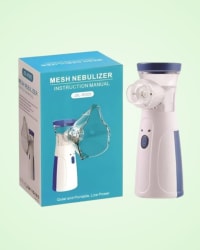
Portable Mesh Nebulizer JSL-W302 হলো একটি হালকা ও পোর্টেবল
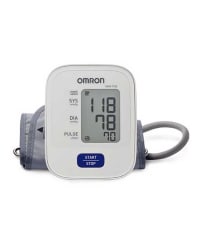
The Omron HEM-7120 Automatic Digital Blood Pressure Monitor delivers reliable blood
Healthcare relies on the strength and accuracy of its tools. Every diagnosis, treatment plan, emergency decision, and patient recovery begins with dependable medical equipment. When a thermometer fails, a fever stays hidden. When monitors miss vital changes, critical conditions go undetected. When diagnostic tools are absent, doctors operate without the clarity they need. From routine checks to life-threatening emergencies, medical equipment serves as the quiet, constant foundation that keeps the entire system functioning.
From simple thermometers to advanced imaging machines, medical equipment acts as the heartbeat of modern healthcare-an invisible force powering visible healing. As technology evolves, today’s smart and efficient devices deliver faster diagnostics, greater precision, and smoother patient care. The medical equipment showcased here reflects that evolution, offering tools built with durability, intelligent features, and trusted safety standards to support confident care in every clinical setting.
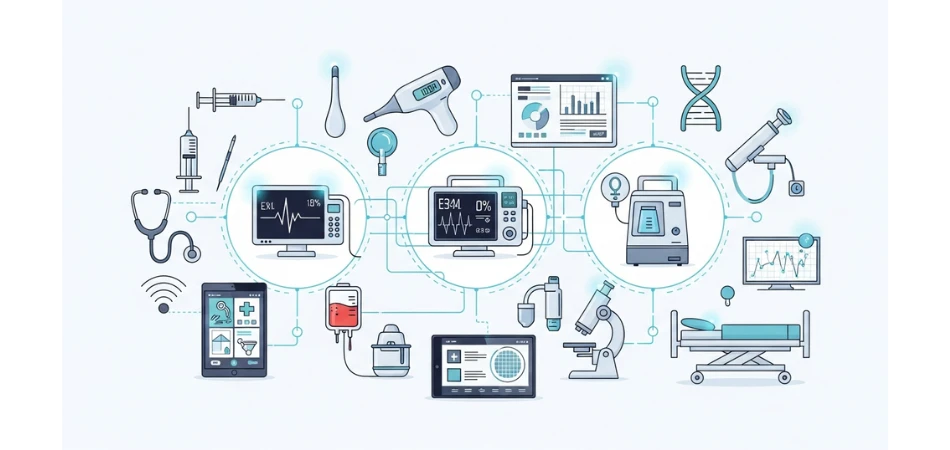
Medical equipment is essential in modern healthcare because medical science depends on accuracy. A diagnosis shapes every treatment plan, and a recovery strategy only works when patient conditions are monitored correctly. In this environment, equipment is not just a supportive tool it is the backbone of safe and effective care. By replacing assumptions with precise, measurable data, reliable devices help detect health issues earlier and guide critical decisions with confidence.
These tools also ensure stability throughout the entire care process. Continuous monitoring of vital signs, rapid response during emergencies, safe treatment procedures, and proper digital documentation all rely on dependable equipment that performs consistently under pressure. From a simple thermometer to advanced laboratory analyzers, medical equipment transforms medical knowledge into action, allowing every healthcare facility large or small to deliver accurate, trustworthy, and patient-centered care.
Medical equipment supports a wide range of professionals and environments - each with distinct expectations. A small neighborhood clinic does not need the same tools as a large urban hospital. A home-care patient needs devices that are portable and easy to use, while a laboratory technician needs highly sensitive analyzers capable of detecting minute biological changes.
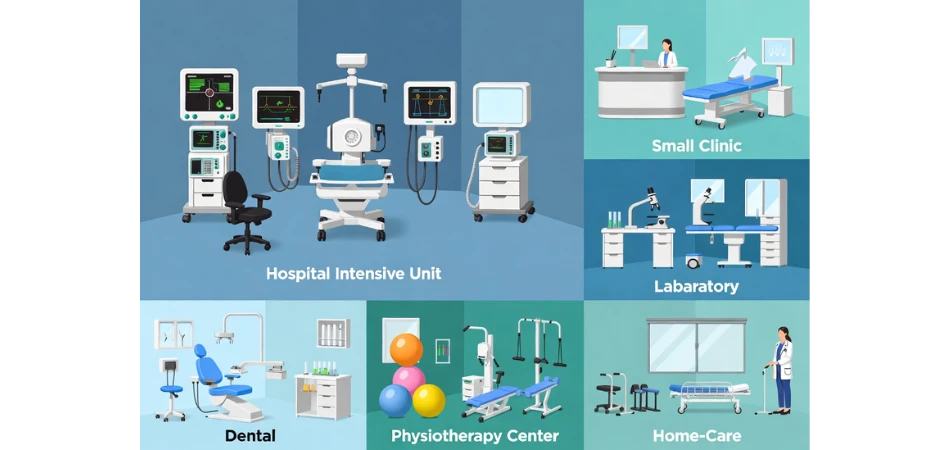
Below are some of the typical users browsing this category:
Large hospitals require multi-functional, durable, and high-capacity equipment. Patient monitors, infusion pumps, ECG machines, oxygen concentrators, portable scanners, and sterilizers are essential for various departments like ICU, OT, emergency, and general wards.
Doctors and nurses in clinics rely on accurate diagnostic tools for quick assessments. Items like thermometers, glucometers, BP monitors, otoscopes, stethoscopes, digital ECGs, and examination lamps are staples in this space.
Labs need microscopes, centrifuges, incubators, test analyzers, water baths, and high-precision instruments that support microbiology, hematology, chemistry, and genetic testing.
These clinics invest in specialized chairs, suction units, intraoral cameras, endoscopy systems, and sterilization equipment.
Therapy tools, mobility aids, ultrasound stimulators, traction devices, walkers, and wheelchairs support long-term rehabilitation.
Many people now manage health conditions from home. Portable oxygen cylinders, nebulizers, glucometers, digital BP monitors, pulse oximeters, and lightweight suction machines are among the most in-demand items.
Every user is different, yet they all rely on tools that ensure precision, comfort, and reliability.
Since this is a listing page, users will encounter a wide selection of medical tools - each designed to handle a specific aspect of diagnosis, monitoring, treatment, or patient support.
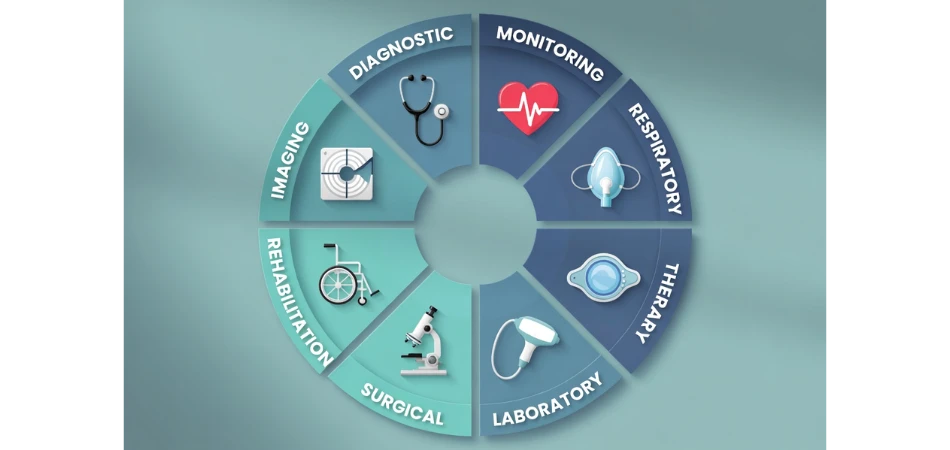
Here’s an expanded overview to help them navigate:
Devices that assist in finding the root cause of medical conditions.
Examples include: Thermometers, stethoscopes, glucometers, otoscopes, ultrasound devices, oximeters, and digital ECG machines.
These tools help doctors form a clear understanding of the patient’s current state.
Essential in ICU, emergency, and recovery environments.
These systems track heart rate, oxygen saturation, temperature, respiratory rate, BP, and arrhythmias.
Equipment that sustains or supports breathing.
Oxygen concentrators, nebulizers, ventilators, and CPAP/BiPAP machines fall here.
Includes infusion pumps, nebulization systems, traction devices, physiotherapy tools, heating pads, ultrasound therapy machines, and suction units.
Used for clinical testing and research.
Microscopes, centrifuges, incubators, microtome machines, spectrophotometers, and testing strips are common here.
Autoclaves, surgical lights, cautery machines, sterilizers, and medical-grade cleaning tools.
Wheelchairs, walkers, crutches, orthopedic supports, resistance bands, and therapy kits.
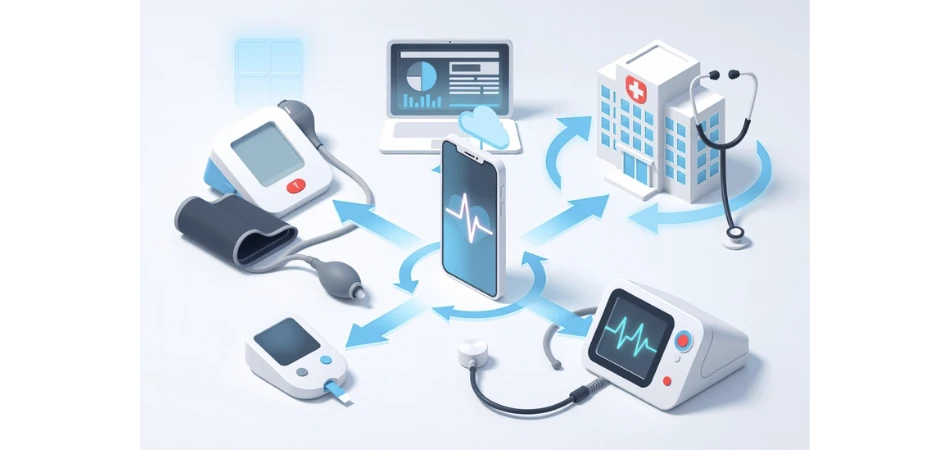
Today’s medical devices do far more than perform individual tasks, they now communicate seamlessly with hospital software, mobile apps, and cloud-based dashboards. This digital connectivity allows patient records to update automatically, alerts clinicians in real time when conditions change, and makes remote monitoring possible for patients outside the hospital. It also speeds up the sharing of diagnostic results and supports long-term tracking of patient health, reducing manual paperwork and improving the accuracy of clinical decisions.
Even small devices play a major role in this connected ecosystem. A glucometer can store months of readings, a digital blood pressure monitor can sync instantly with a mobile app, and a patient monitor can send live data directly to a nurse’s station. These integrated features work together to make healthcare smoother, safer, and more efficient for both patients and professionals across all departments.
Top Medical Equipment Supplier In Bangladesh
Selecting the right medical equipment can be challenging, especially when multiple devices appear similar but vary significantly in performance, safety, and long-term value. To ensure visitors find the best match for their needs, this guide highlights the key factors that matter most.
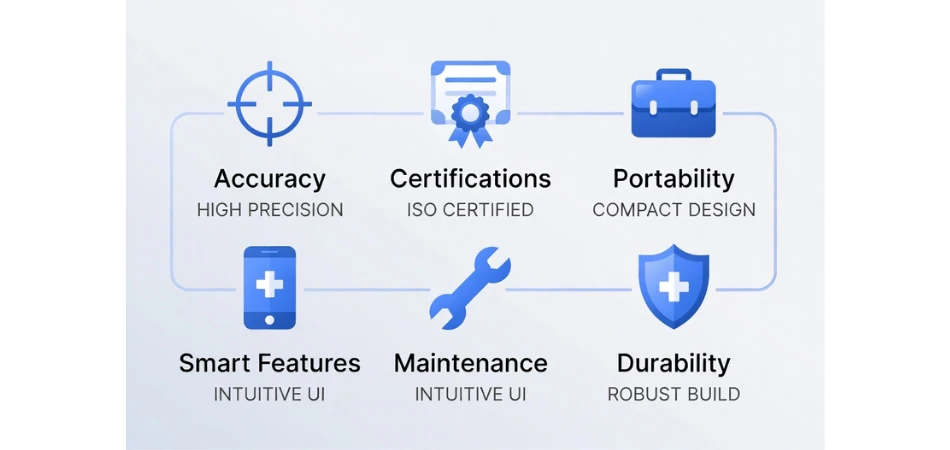
Precision is the foundation of medical reliability. High-quality equipment delivers consistent, accurate readings that caregivers and patients can depend on. When comparing options, prioritize devices with proven measurement accuracy and stable long-term performance.
The ideal equipment depends on where it will be used. Hospitals and clinics often require industrial-grade, high-capacity machines, while home users benefit more from compact, lightweight, and user-friendly devices. Always choose a product tailored to your environment and workflow.
Different devices have different upkeep needs. Some require periodic calibration, software updates, or part replacements, while others are designed to be virtually maintenance-free. Understanding these requirements helps prevent downtime and ensures uninterrupted, reliable operation.
Medical devices must comply with recognized global standards to ensure safety and performance. Look for certifications such as CE, ISO, or FDA approval, depending on the product type and your region. These marks indicate that the device has undergone strict testing and quality checks.
Modern medical tools often include advanced features such as Bluetooth connectivity, mobile app support, or built-in data storage. For clinics and professionals who track patient history, these smart functions can significantly improve workflow efficiency and record-keeping accuracy.
Medical equipment is a long-term investment. Durable construction, reputable brands, and strong warranties usually offer better value over time—even if the initial cost is higher. Evaluate not only the price but also the expected lifespan and support services.
Quality medical care depends on skilled professionals and the reliable tools they use every day. Choosing the right equipment strengthens diagnosis, improves treatment outcomes, shortens recovery time, and enhances patient comfort from start to finish.
Whether you’re setting up a clinic, upgrading hospital devices, managing a laboratory, or supporting recovery at home, the right medical equipment ensures accuracy, durability, and ease of use—helping every patient receive the care they deserve.