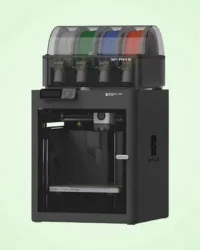
Bambu Lab P1S with AMS Global Version একটি হাই-স্পিড, এনক্লোজড
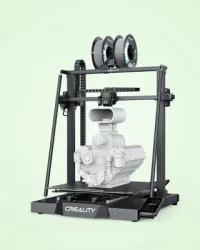
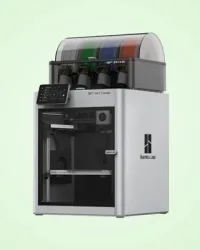
Bambu Lab X1C Carbon Combo একটি হাই-স্পিড প্রফেশনাল
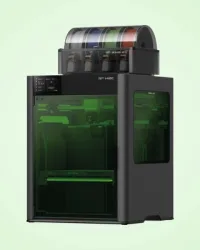
Bambu Lab H2C Laser Full Combo 40W একটি প্রফেশনাল-গ্রেড
A 3D Printer is an advanced manufacturing device that creates three-dimensional objects by depositing materials layer by layer from a digital design or CAD file. This process is known as Additive Manufacturing. Compared to traditional manufacturing methods, 3D printing offers greater flexibility, lower production costs, and faster prototyping capabilities.
Today, 3D printers are widely used not only in industries and factories, but also in educational institutions, research laboratories, hospitals, architectural firms, and personal creative projects. In Bangladesh, the popularity of 3D printing technology is growing rapidly, especially among students, makers, startups, and young entrepreneurs.
Although 3D printing technology was first introduced in the 1980s, the cost of the technology has decreased significantly over the past decade. As a result, home users and small businesses can now easily afford and use 3D printers. In 2024, the global 3D printing market was valued at nearly USD 20 billion and continues to grow at an annual rate of around 20%.
The process begins with creating a digital 3D model using CAD (Computer-Aided Design) software. Users can also use a 3D scanner to create a digital replica of a real-world object.
After the model is completed, it is imported into slicing software. The slicer converts the 3D model into hundreds or even thousands of thin horizontal layers. These layers generate instructions that tell the printer where and how much material needs to be deposited.
The printer follows the instructions generated by the slicer and starts building the object layer by layer from the bottom up. Once printing is completed, the object may require additional finishing such as sanding, polishing, or cleaning, which is commonly referred to as post-processing.
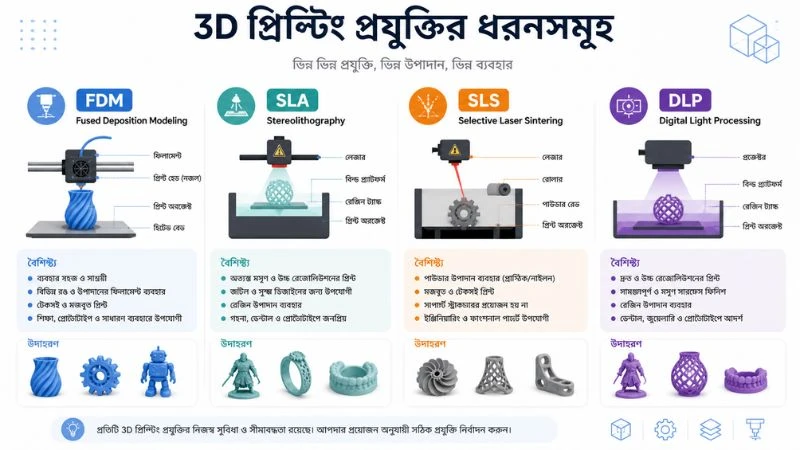
3D printing technology has evolved into a highly advanced manufacturing system with multiple printing methods designed for different materials and applications. Each type of 3D printer uses a unique technology and offers different advantages depending on the user’s requirements.
FDM is the most commonly used 3D printing technology. It works by melting thermoplastic filament and extruding it through a heated nozzle to build an object layer by layer. Because it is affordable, easy to use, and beginner-friendly, FDM printers are highly popular among students, hobbyists, and small businesses. PLA and ABS filaments are commonly used for creating prototypes, toys, and various DIY projects.
SLA technology uses liquid resin that is cured and hardened using a UV laser to create highly detailed and smooth objects. This method produces extremely precise prints with excellent surface quality, making it ideal for dental models, jewelry design, miniature models, and professional artwork.
DLP is similar to SLA because it also uses liquid resin. However, instead of a laser, DLP technology uses a digital projector to cure an entire layer at once. This allows faster printing speeds while still maintaining high print quality. DLP printers are commonly used for medical models, professional prototypes, and fine-detail designs.
SLS technology uses powdered materials such as nylon or polymer powder instead of filament or liquid resin. A high-powered laser fuses the powder particles together to create strong and durable objects. Since SLS printing does not usually require support structures, it is excellent for producing complex industrial components and functional prototypes.
MJF is an advanced 3D printing technology developed by HP. It uses a combination of fusing agents, detailing agents, and heat to rapidly create highly durable and detailed objects from powder materials. Due to its speed and superior print quality, MJF is widely used in industrial manufacturing and commercial production environments.
Binder Jetting technology works by depositing a liquid binding agent onto layers of powdered material to gradually form a solid structure. It supports materials such as metal, ceramic, and sand, making it suitable for architectural models, industrial casting, and complex metal components.
|
Type |
Material |
Speed |
Detail |
Use Case |
|
FDM |
Filament |
Medium |
Medium |
Hobby, Students |
|
SLA |
Resin |
Slow |
High |
Dental, Jewelry |
|
DLP |
Resin |
Fast |
High |
Medical, Prototype |
|
SLS |
Powder |
Medium |
High |
Industrial Parts |
|
MJF |
Powder |
Very Fast |
High |
Mass Production |
|
Binder Jetting |
Powder |
Medium |
Medium |
Metal, Architecture |
Choosing the right 3D printer depends entirely on your work requirements and budget. If you are a student or hobbyist, an FDM printer is usually the best choice due to its affordability and ease of use. For highly detailed and precision-focused work, SLA or DLP printers are more suitable. On the other hand, SLS and MJF technologies are ideal for industrial-grade production and professional applications.
|
PLA Filament |
Easy to use and perfect for beginners |
|
ABS Filament |
Strong and heat-resistant |
|
PETG Filament |
Durable and flexible |
|
TPU Filament |
Rubber-like flexible material |
|
Resin |
Extremely smooth and highly detailed finish |
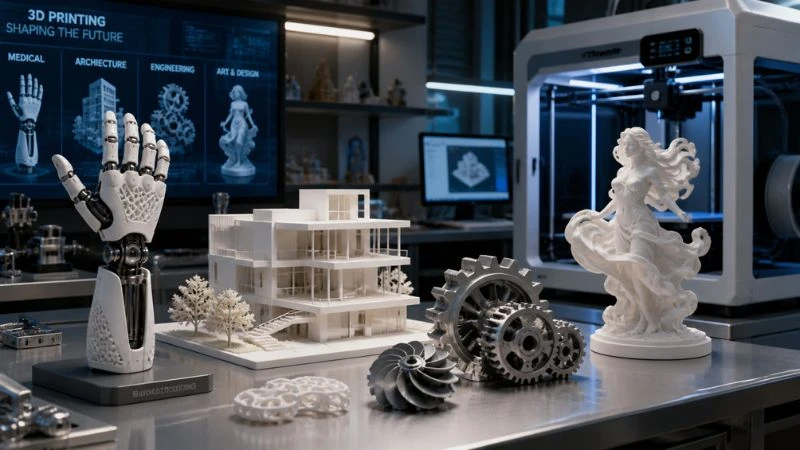
Before purchasing a 3D printer, it is important to understand several key factors. Choosing the wrong printer can lead to poor results, unnecessary expenses, and compatibility issues with your projects.
First, determine how you plan to use the printer. Whether it is for hobby projects, educational purposes, prototyping, or industrial production, understanding your needs will help you choose the right machine.
Different technologies such as FDM, SLA, DLP, and SLS serve different purposes. Selecting the right type based on your requirements is one of the most important decisions.
Each printer supports different materials. FDM printers use filament, SLA printers use resin, and SLS printers use powder materials. Material choice directly affects print quality, durability, and overall cost.
Higher resolution printers produce smoother and more detailed prints. SLA and DLP printers are generally preferred for precision-focused applications.
Build volume determines the maximum size of an object the printer can create in a single print. Larger projects require printers with bigger build areas.
Some printers focus on speed while others prioritize detail and accuracy. Your choice should depend on whether speed or precision is more important for your work.
3D printer prices in Bangladesh vary depending on features, technology, and brand reputation. Setting a clear budget before purchasing is always recommended.
User-friendly software makes model preparation and printing much easier, especially for beginners.
Before buying a printer, check whether repair services, spare parts, and customer support are available locally. Like any machine, 3D printers occasionally require maintenance.
Always consider trusted brands and user reviews before making a purchase decision. Premium brands may cost more, but they often provide better reliability and performance.
Buying a 3D printer is a long-term investment. Taking time to properly analyze your needs, budget, and intended use will help you make the best decision.
Yes, many modern 3D printers are specifically designed for home users and are easy to operate.
3D printers can create toys, prototypes, models, machine parts, jewelry, decorative items, and even certain medical tools.
The initial setup cost may seem high, but in the long run, 3D printing can be highly cost-effective for prototyping and custom manufacturing.
Common materials include PLA, ABS, PETG, TPU, and resin.
FDM 3D printers are considered the best option for beginners because they are affordable, easy to use, and widely available.