In Bangladesh Access Control price starts from BDT 1,000 and may go up to BDT 50,000 based on brand and features. Buy latest Access Control at best price from popular online shops in Bangladesh.
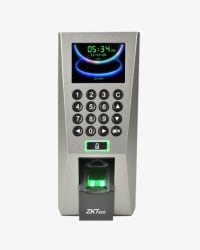
The ZKTeco F18 is a high-performance fingerprint access control and time attendance
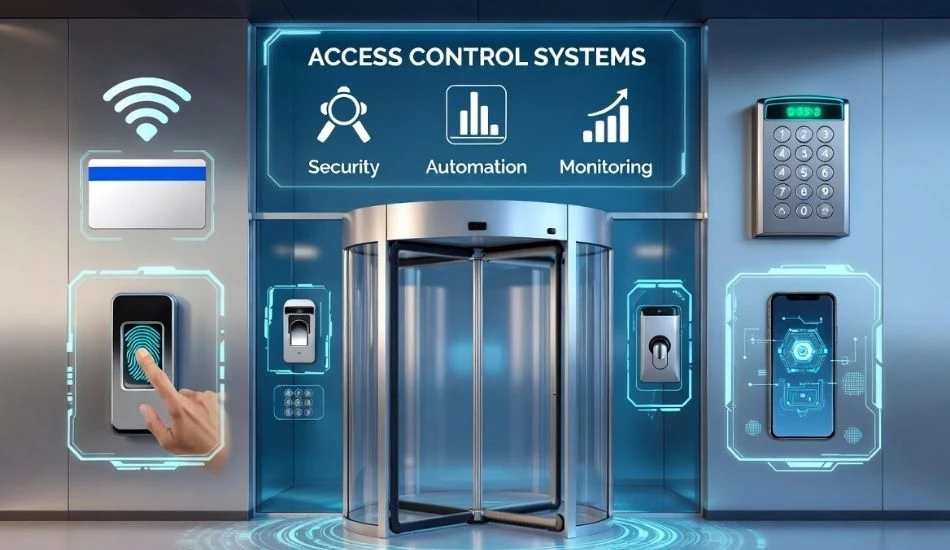
Security today is very different from what it used to be. A decade ago, a sturdy lock and a metal key felt enough to secure a property. But modern threats require modern solutions - not only because criminals have become more sophisticated, but because our lifestyle has become faster, more digital, and more interconnected. Homes, offices, factories, clinics, educational institutions - everything now operates in a way where simple locks can’t keep up with the demand for high-level access, monitoring, and convenience.
This is why Access Control Systems have become the foundation of secure environments.
They don’t just protect doors; they create intelligent, automated, and fully accountable entry systems that tell you who entered, when, and why - with zero guesswork.
In today’s fast-paced world, people move in and out of spaces more frequently than ever-employees in offices, tenants in apartments, customers in shops, patients in clinics, students in universities. Managing this flow safely and efficiently is a challenge that traditional locks cannot meet. Modern access control systems replace physical limitations with digital intelligence, offering flexibility, security, and peace of mind.
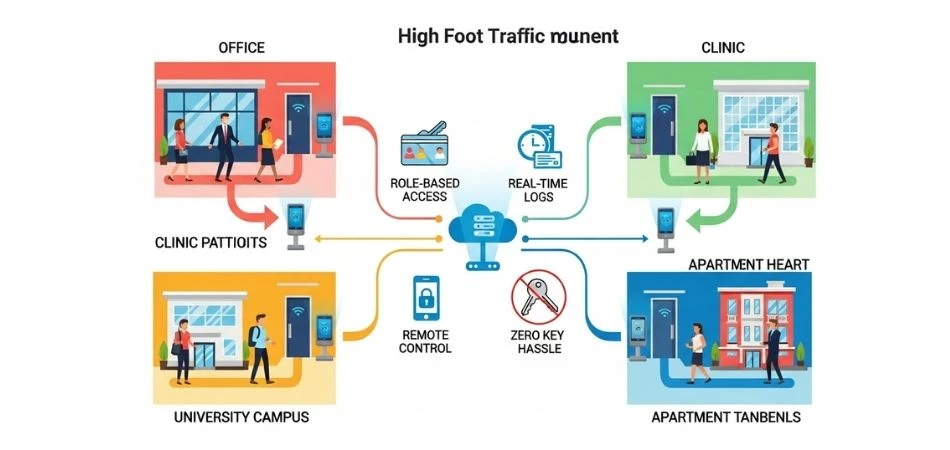
Here’s what becomes possible with advanced access control:
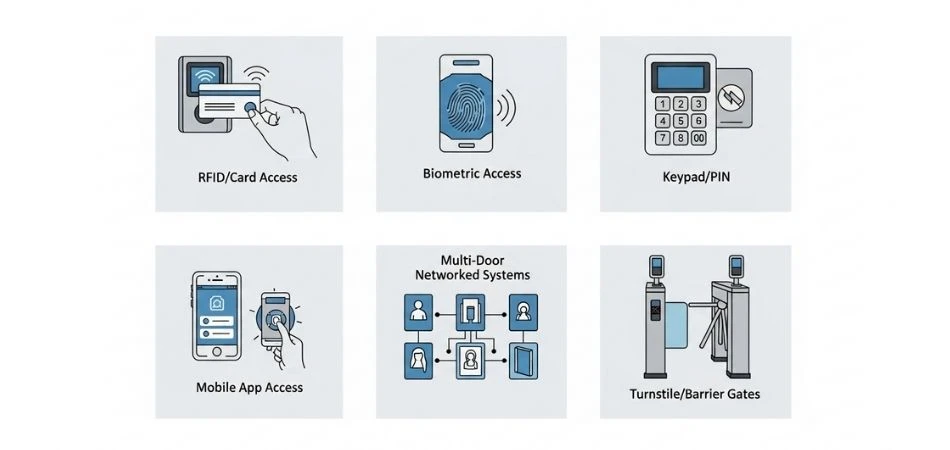
Even though all access control systems serve a similar purpose, the technology varies and that allows them to fit different environments perfectly.
Below is an easy-to-understand breakdown of the main types
These are popular in corporate offices, banks, schools, hospitals, and commercial properties.
Staff carry a card, fob, or RFID tag. They simply bring it near the reader, and the door unlocks.
Why people choose it:
Biometrics use fingerprints, face recognition, iris scanning, or palm recognition. These systems are ideal where identity verification must be extremely accurate.
Used in:
Benefits include:
A budget-friendly solution perfect for homes, rental properties, mini-offices, storage rooms, and places where a simple yet controlled system is enough.
Advantages:
Users unlock doors using their smartphones - a modern solution that’s extremely popular in apartment complexes, co-working spaces, and modern smart homes.
Why it’s trending:
Large facilities need to manage multiple floors, thousands of people, and dozens of entry points. These systems connect everything into one centralized dashboard.
Used in:
These systems manage crowd flow while maintaining strict entry control.
Used in:
Why they are effective:
Types of Access Control Systems & Their Best Use Cases
|
Access Control Type |
Security Level |
Best For |
Advantages |
Considerations |
|
RFID / Card Access |
Medium |
Offices, Schools, Banks |
Fast, affordable, scalable |
Cards can be lost or shared |
|
Biometric Systems |
Very High |
Labs, Data centers, Govt. buildings |
Accurate, non-duplicable |
Must maintain hygiene on sensors |
|
Keypad / PIN |
Medium |
Homes, Small offices |
No device needed, budget-friendly |
PIN may be shared |
|
Mobile App Access |
High |
Apartments, Smart Homes |
Remote control, visitor pass |
Requires smartphone |
|
Multi-Door Networked |
Very High |
Large buildings |
Centralized management |
Higher installation cost |
|
Turnstile / Barrier |
High |
Gyms, Stations, Stadiums |
Anti-tailgating, crowd control |
Requires larger installation space |
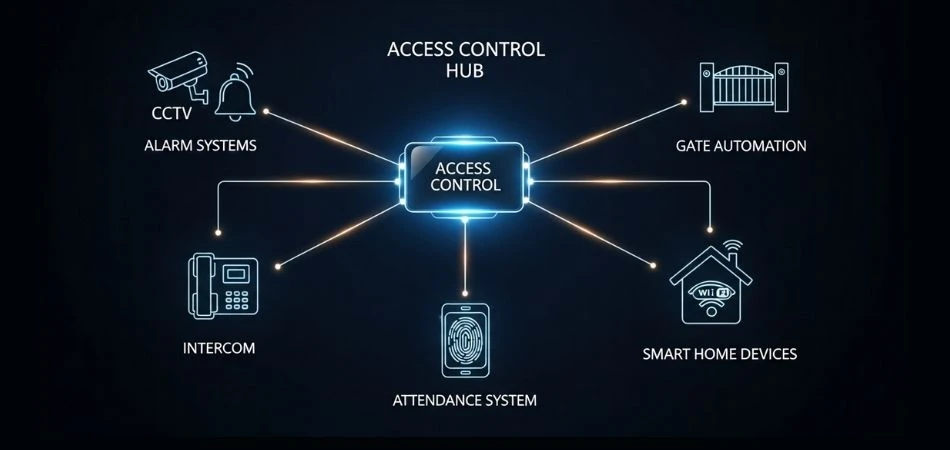
Modern access control fits into a larger ecosystem of security and automation. When combined with other systems, it becomes significantly more powerful:
When everything works together, the environment becomes smarter, safer, and far more efficient.
Buyers visiting this category want systems that offer:
Modern access control isn’t just about denying entry - it’s about managing people, time, and safety in a smarter way.
Think of a small tech startup that needs to secure its server room. A biometric system ensures that only authorized IT staff can enter, while every access attempt is recorded for compliance.
An apartment complex may use mobile app-based entry to allow residents to unlock doors without physical keys, while management remotely adjusts permissions.
A warehouse that operates around dangerous machinery can divide its building into zones, ensuring only trained staff can access certain areas using RFID cards.
A retail shop can protect its cash room with a keypad or biometric lock so that unauthorized employees can't enter.
Hospitals safeguard medicine storage and restricted treatment zones using systems that guarantee only verified personnel can pass through.
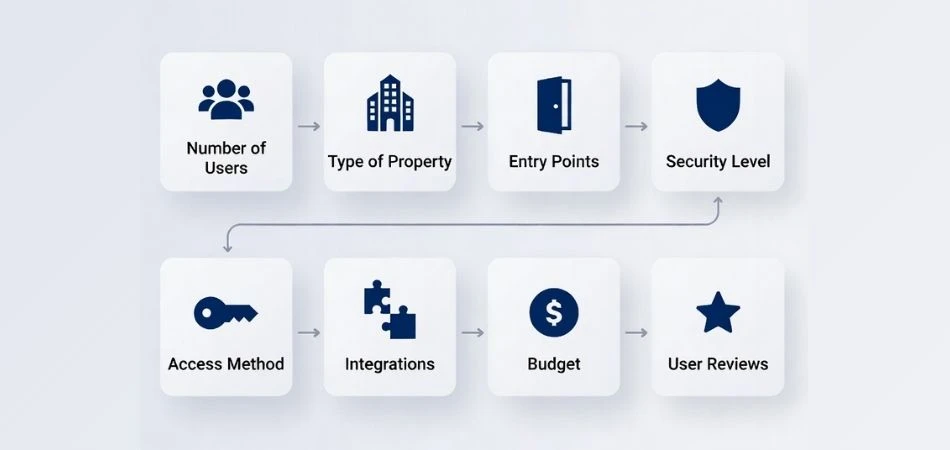
Selecting an access control system is a long-term investment in security, convenience, and operational efficiency. To ensure you choose the perfect solution, evaluate these key factors carefully:
Are you managing access for a small team or thousands of daily users? The system must scale without performance issues.
Homes, offices, factories, warehouses, banks, and institutions all require different levels of protection.
Decide whether you need control for a single entrance, multiple doors, or an entire multi-floor facility.
Basic access, restricted zones, or high-security areas-all demand different authentication methods and hardware strength.
Card, PIN, biometric, facial recognition, mobile app, or a combination for maximum flexibility.
Ensure the system works seamlessly with CCTV, alarm systems, attendance tracking, elevators, and fire safety systems.
Look beyond installation fees. Hardware durability, maintenance, spare parts, and updates all affect total ownership cost.
Real customer experiences reveal the true performance of a system. Check feedback on reliability, accuracy, software stability, support quality, and overall satisfaction before making your decision.
With these factors clearly defined, choosing the right access control system becomes effortless ensuring maximum security, smooth operation, and long-term reliability.
In a world where security challenges evolve every day, investing in the right access control system is more than just protecting doors - it’s about safeguarding people, assets, and peace of mind. By choosing smart, scalable, and integrated solutions tailored to your unique needs, you’re not only enhancing security but also empowering your environment with convenience and control. Embrace the future of safety today, and experience the confidence that comes from knowing every entry is monitored, every permission is precise, and your space is truly secure.